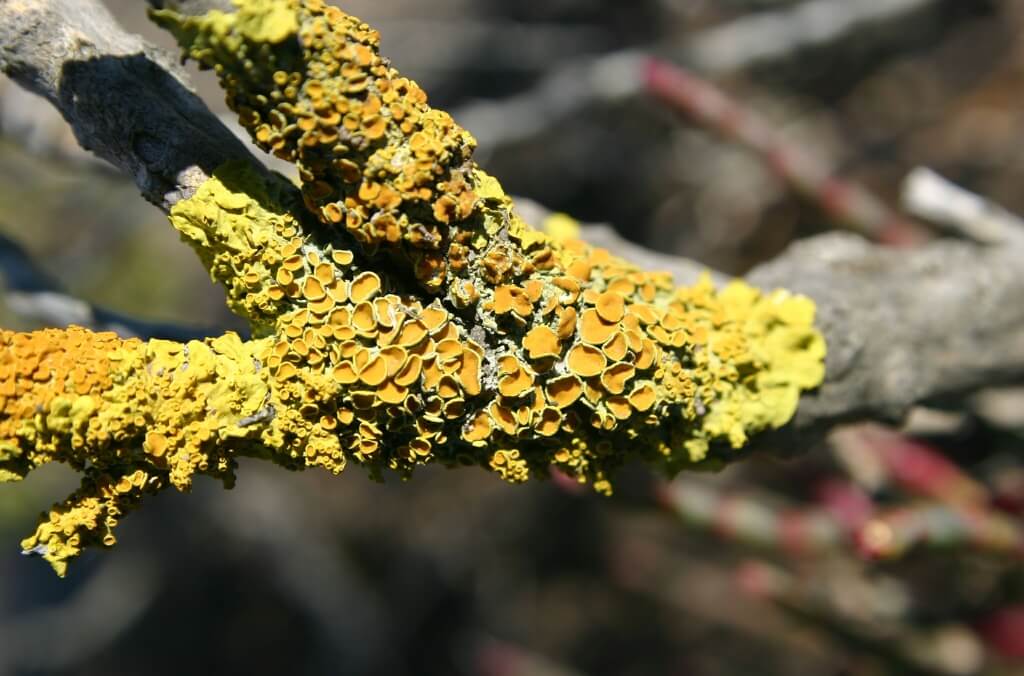
For small animals like lizards, skinks, and frogs, a single rock or fallen log can be the difference between safety and danger. When these natural shelters are disturbed, the animals hiding beneath can be crushed, exposed to predators, or forced to abandon the area entirely.
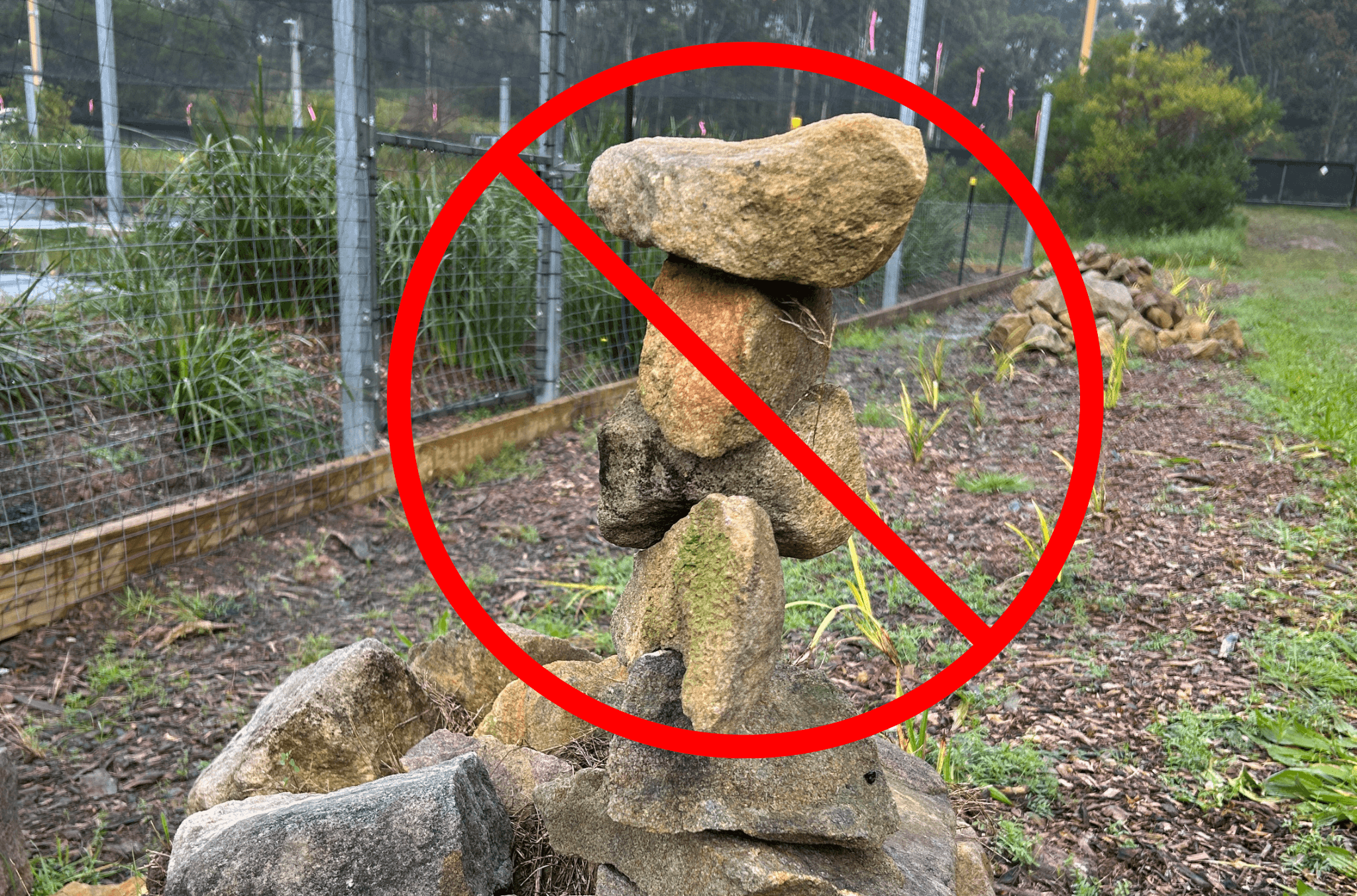
Moving logs or stacking rocks into "cairns" (or rock towers) may seem harmless, or even creative, but these actions can destroy vital habitat for the wildlife that calls Sydney Olympic Park home.
What are Habitat Stacks?
Across Sydney Olympic Park’s habitat areas, we support our reptile and amphibian residents by creating habitat stacks: carefully arranged piles of rocks and logs designed to provide pockets of shelter. These stacks act like miniature apartment blocks for wildlife, offering places to rest, hide, and move safely through the landscape.
They may look like ordinary piles of debris, but to a small animal, they’re essential real estate.
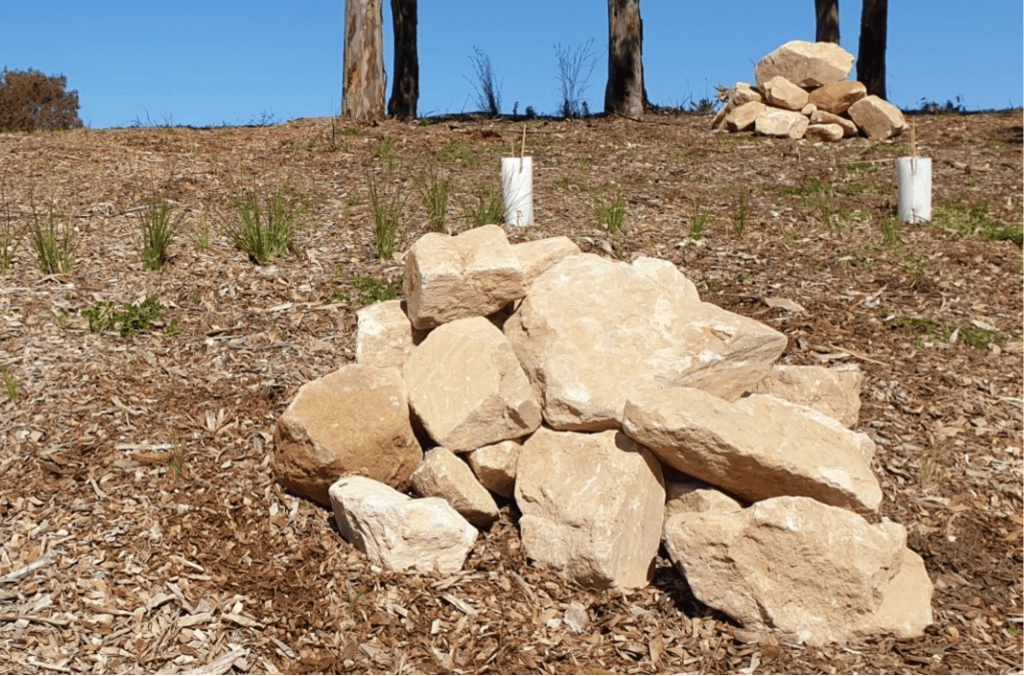
Rock piles create pockets of shelter and warm basking areas for our ecothermic frogs and reptiles to regulate their internal body temperature. 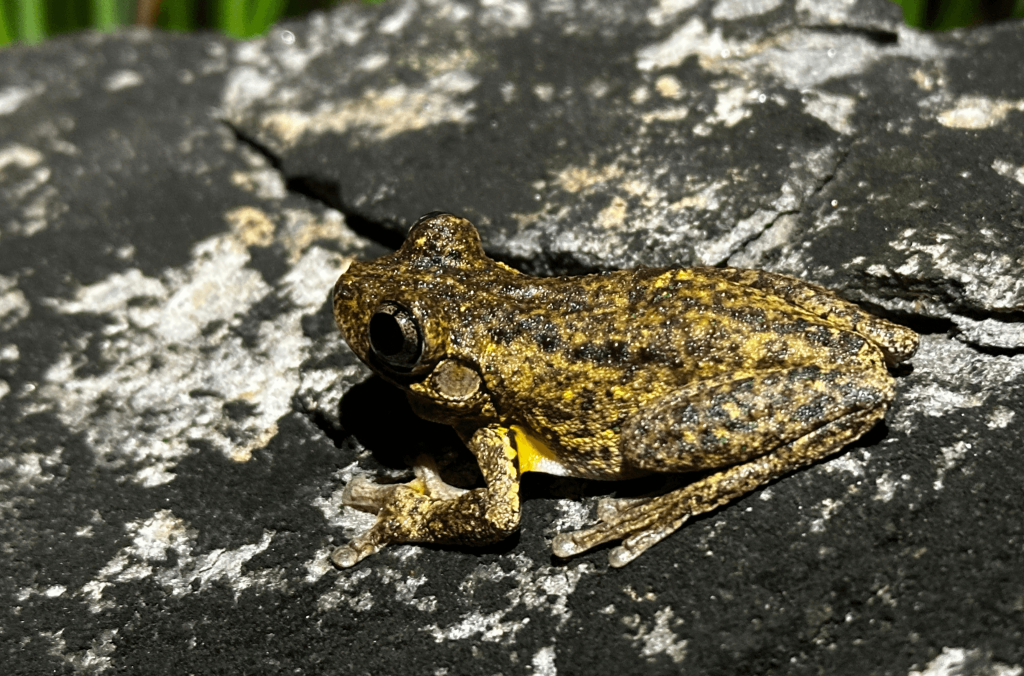
Rock piles create pockets of shelter and warm basking areas for our ecothermic frogs and reptiles to regulate their internal body temperature.
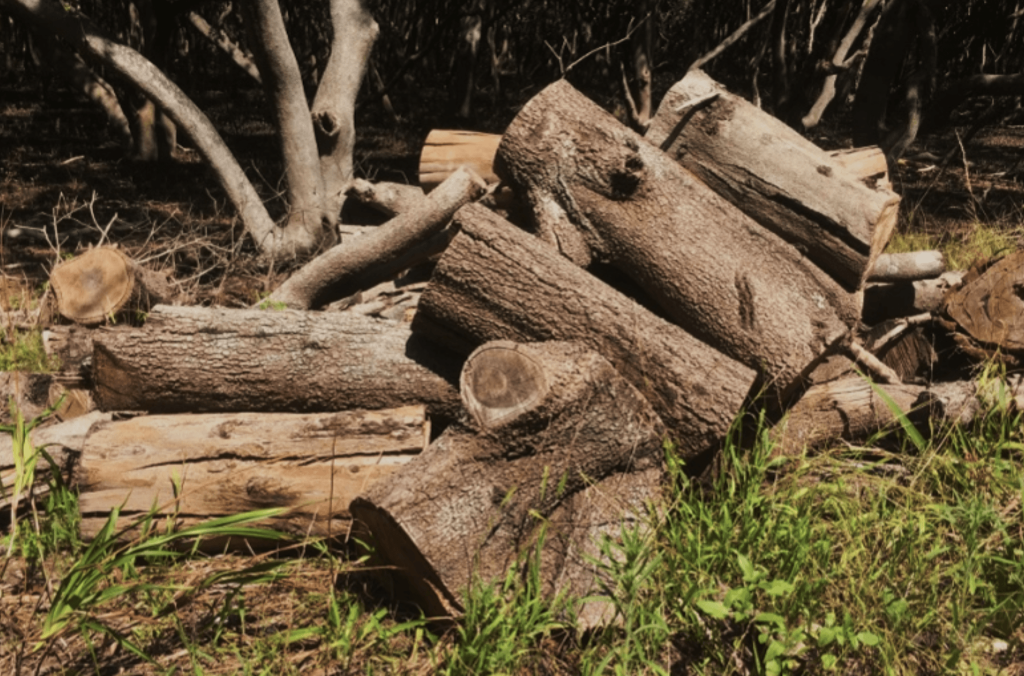
Log piles create pockets of shelter and attract insects as they decompose providing food for our woodland birds. 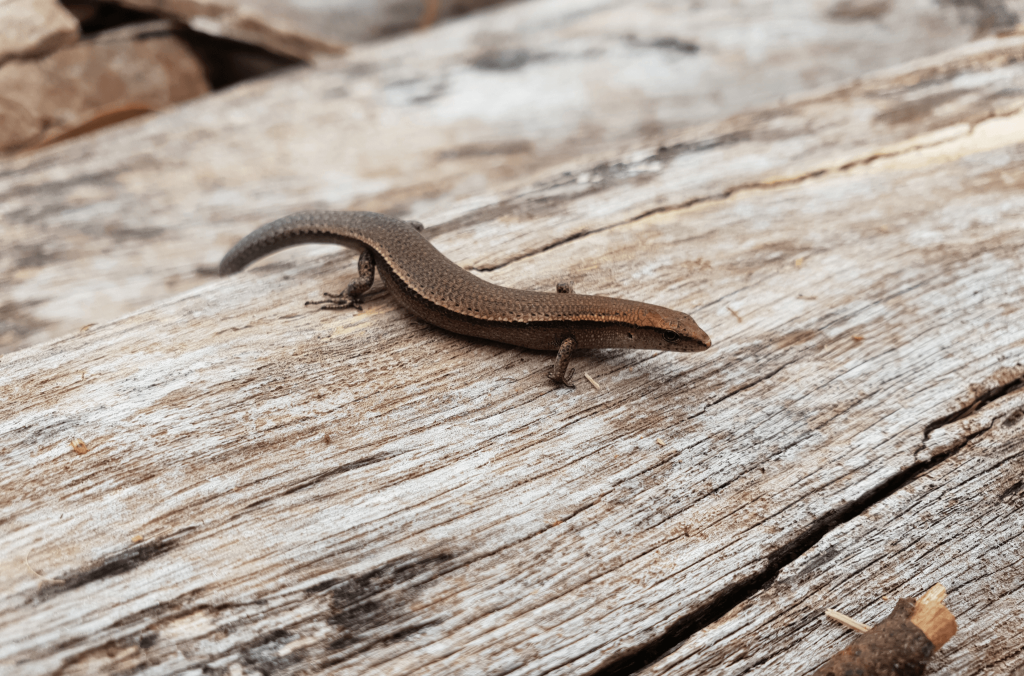
Log piles create pockets of shelter and attract insects as they decompose providing food for our woodland birds.
How can you help?
Habitat stacks are wonderful spots for wildlife watching. With a bit of patience, you might see a sunbaking lizard, a darting skink, or a frog tucked into the cool shade beneath a log.
To keep these animals safe:
- Observe from a respectful distance. Climbing on or disturbing habitat stacks can crush the animals sheltering underneath.
- Leave rocks and logs where they are. Recently, some visitors have removed rocks to build decorative “cairns.” While they may look artistic, these towers destroy important habitat and can collapse, injuring or killing wildlife below.
Leave No Trace
Sydney Olympic Park is home to an incredible array of wildlife, and we all play a part in protecting it. When exploring the park, follow the simple rule of “leave no trace”, and treat the homes of our native animals with the same care and respect you’d expect in your own home.
You might also be interested in...


The Bombardier Beetle (Pheropsophus verticalis) belongs to the ground beetle family (Carabidae).